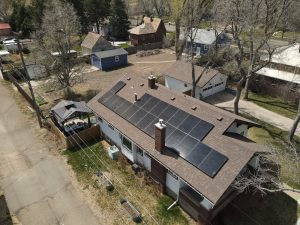
For years, the federal Investment Tax Credit (ITC) helped reduce the upfront cost of going solar. While that incentive is no longer available, solar energy in Colorado remains one of the strongest long-term financial decisions a homeowner can make.

Rising electricity rates, increasing power outages, state and utility incentives, and decades of energy production continue to drive solar adoption across Denver, the Front Range, and the rest of Colorado.
At Apollo Energy, we help homeowners understand the real economics of solar beyond headlines and expired incentives. Here’s why residential solar still makes sense in 2026.
Rising Electricity Rates in Colorado Are Increasing Solar ROI
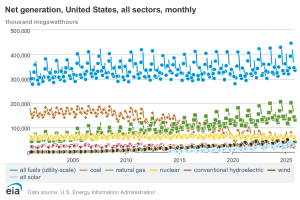
Electricity prices in Colorado have increased consistently over the last several years, with additional rate hikes already approved.

According to the U.S. Energy Information Administration (EIA), residential electricity rates nationwide have risen faster than inflation, and Colorado utilities have followed the same trend due to:
- Grid modernization and infrastructure upgrades
- Wildfire mitigation and system hardening
- Increased demand and population growth
📊 Supporting studies & data
Why this matters for homeowners
Solar allows you to lock in a predictable energy cost. Instead of paying more every year for electricity you don’t control, you generate your own power and reduce exposure to future rate increases.
Long-Term Solar Savings Still Outperform Utility Power
Even without a federal tax credit, residential solar systems in Colorado continue to deliver strong lifetime savings.
Studies from the National Renewable Energy Laboratory (NREL) show that homeowners in high-sun states like Colorado typically reach breakeven well before the midpoint of a system’s lifespan. Modern solar panels are designed to produce power for 25–30+ years.
What homeowners see in practice
- Monthly solar payments often cost less than the current electric bill
- Utility usage drops immediately
- After payoff, electricity costs approach zero
Colorado Grid Outages Highlight the Value of Energy Independence
Power outages across Colorado have become more frequent due to:
- High winds and severe weather
- Wildfire prevention shutoffs
- Aging transmission infrastructure
According to the U.S. Department of Energy, weather-related outages have increased significantly over the last decade.
Supporting studies & data
Solar + battery storage = resilience
When paired with battery storage, solar can:
- Keep essential circuits powered during outages
- Protect refrigeration, Wi-Fi, lighting, and medical devices
- Reduce dependence on utility restoration timelines
Solar Energy Significantly Reduces Carbon Emissions
Solar power produces electricity without combustion, emissions, or fuel extraction.
The U.S. Environmental Protection Agency (EPA) estimates that the average residential solar system offsets thousands of pounds of CO₂ annually, creating measurable environmental impact over time.
📊 Supporting studies & data
How Apollo Energy Helps Homeowners Maximize Value
At Apollo Energy, we focus on long-term performance not just installation.
Our team:
- Designs custom systems based on your home and usage
- Identifies every applicable state and utility incentive
- Handles rebate applications and documentation
- Installs systems with licensed electricians and proven equipment
Solar should be simple, transparent, and financially sound. That’s our standard.
Solar in Colorado Is Still a Smart Investment in 2026
The fundamentals haven’t changed:
- Electricity rates are rising
- Grid reliability is declining
- Solar systems last decades
- State and utility incentives remain available
For homeowners across Denver, Colorado Springs, Fort Collins, Pueblo, and the Front Range, solar is about control, predictability, and long-term savings.