Contact us for a complimentary energy audit

Colorado averages 94 significant hail events per year. Here is what the data actually shows about solar panel durability, and what to do before storm season arrives.
Solar panels are engineered to take a beating. NREL data from real Colorado storms shows 99.9% of panels survive hailstorms without damage. But not all panels are created equal, and knowing what to look for before you install makes all the difference.
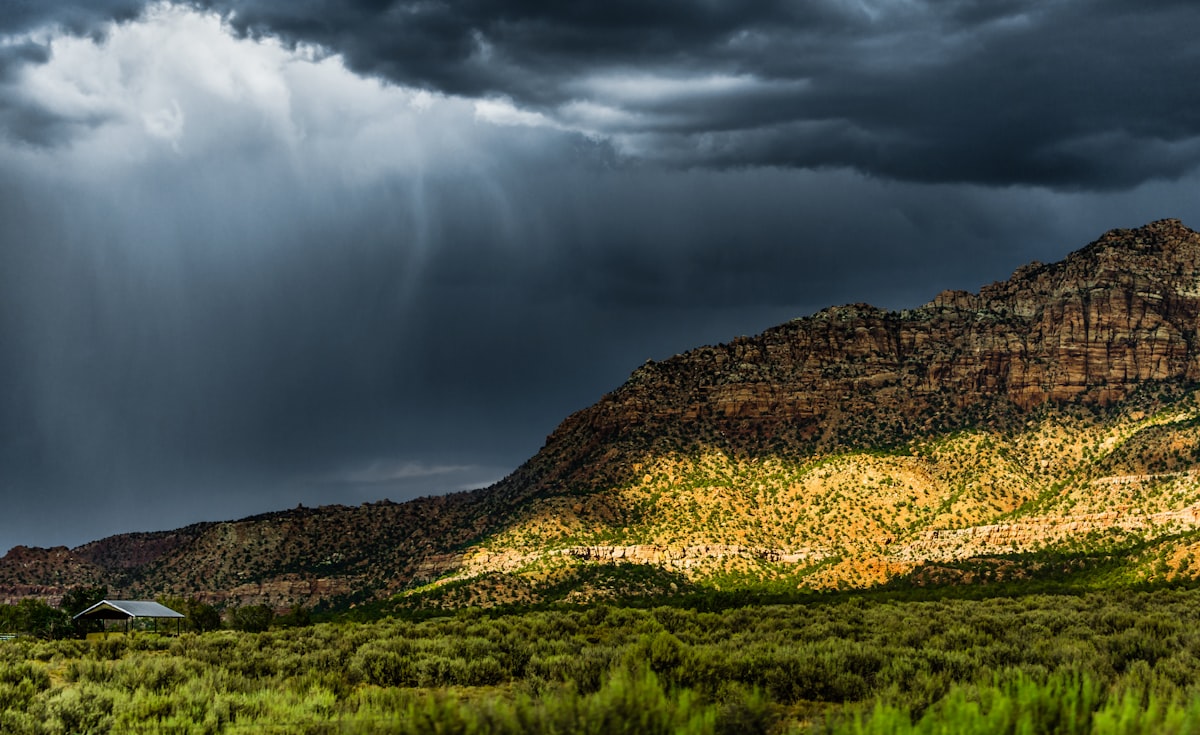
Colorado's hail season runs from April through September. If you live on the Front Range, you already know the drill. Dark clouds roll in, the sky turns green, and golf ball sized ice starts hammering everything in sight. For homeowners considering solar, this raises an obvious question: can solar panels actually survive Colorado hail? If you're still weighing whether now is even the right time to go solar, read our guide on whether Colorado homeowners should go solar in 2026 or wait.
The National Renewable Energy Laboratory in Golden, Colorado put this question to the test during a severe Denver hailstorm in May 2017. Out of more than 3,000 solar panels on the NREL campus, exactly one was damaged. That single panel was struck by multiple hailstones in nearly the same spot, creating a concentrated impact that cracked the glass cover. The other 2,999 panels came through without issue. (U.S. Department of Energy)
NREL researchers also run controlled lab tests where they fire ice balls at panels using compressed air cannons at speeds matching real storm conditions. These tests simulate worst case scenarios, hitting the same panel 10 to 20 times with increasing hail sizes. The results consistently show that quality panels withstand hailstones up to two inches in diameter.
A broader NREL study covering over 50,000 solar installations across hail prone regions found that only 0.1% of panels required replacement due to hail damage. That means 999 out of every 1,000 panels survived just fine.
None of this means you should ignore hail risk. Colorado averages about 94 significant hail events per year. The May 30, 2024 storm that hit the Denver metro area caused over a billion dollars in total property damage according to NOAA, making it the second most costly hailstorm in state history.
Hail in Colorado is not a hypothetical. It is an annual reality. The difference is that solar panels are specifically built and tested for this kind of punishment in ways that your roof, car, and windows are not.
The Front Range and Denver metro area are among the most hail-prone regions in the entire country. Peak activity runs May through July. If you already have solar or are planning to install before summer, preparation matters. Schedule a pre-season inspection with Apollo Energy to catch any vulnerabilities before storm season hits.
Not every panel on the market offers the same level of protection. Here is what separates panels that hold up from panels that crack.
Tempered glass thickness matters. Panels with 3.2mm tempered glass offer significantly better impact resistance than budget panels with 2.0mm glass. For Colorado installations, 3.2mm should be the minimum standard.
IEC 61215 certification is non-negotiable. This international standard requires panels to withstand 1-inch hailstones at 52 mph. Many premium panels exceed this requirement by a wide margin. Always ask your installer for certification documentation.
Installation angle plays a role. Panels mounted on a pitched roof take hail strikes at an angle rather than head-on. That glancing impact distributes force more evenly and reduces the chance of a direct crack. This is one reason rooftop solar tends to fare better than flat ground mount systems during Colorado storms.
Frame and mounting quality count. A well-mounted panel absorbs impact energy across the full frame. Poorly secured panels can flex on impact, concentrating stress at weak points. Apollo Energy specifies mounting hardware rated for Front Range conditions on every residential installation.
Withstands hailstones up to 2 inches. Pitched roof installation distributes impact force. Proper frame mounting prevents flex cracking under repeated strikes.
Budget panels with thinner glass and missing certifications are significantly more vulnerable in Colorado hail conditions. Ask for spec sheets before signing any contract.
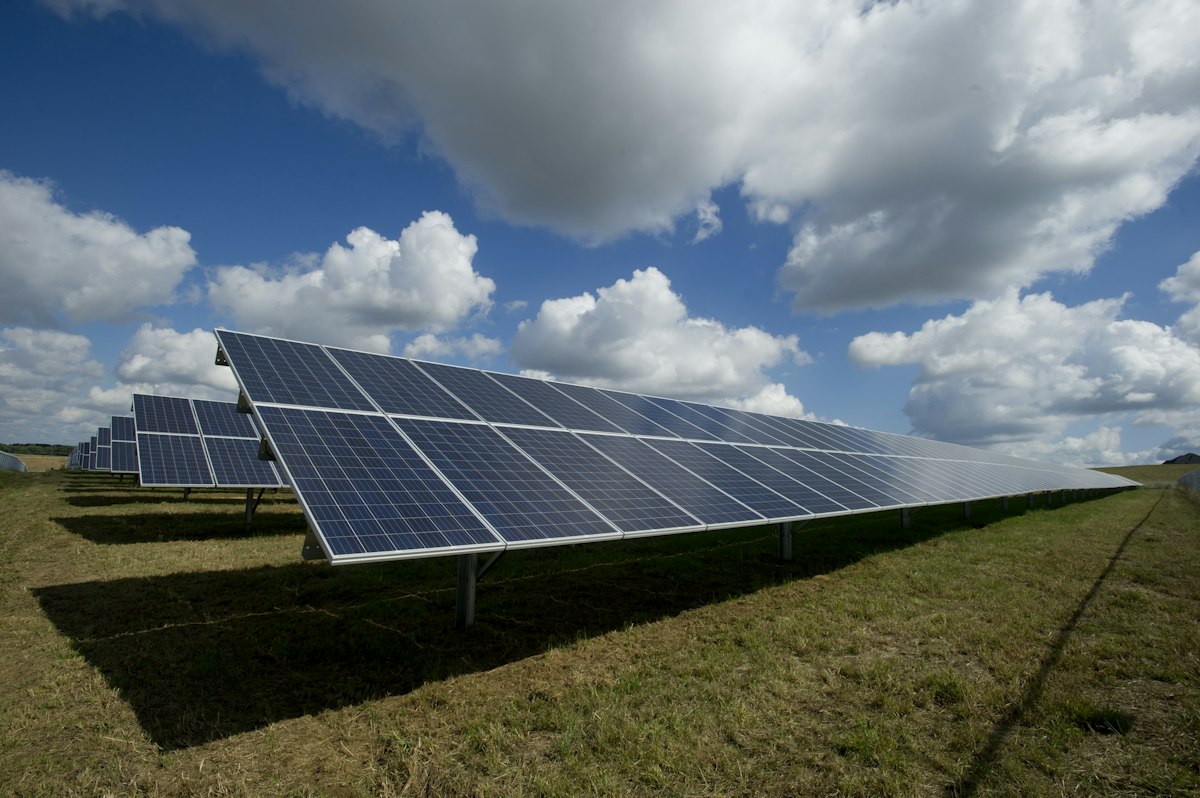
Even with the best equipment, a once-in-a-decade storm can cause damage. Here is what Colorado homeowners need to know about the recovery process.
Homeowners insurance typically covers solar panels. Most standard policies treat rooftop solar panels as part of the dwelling, meaning hail damage falls under your existing coverage. However, some Colorado insurers have introduced separate wind and hail deductibles that may be calculated as a percentage of your home's insured value rather than a flat dollar amount. Check your policy before storm season arrives.
Manufacturer warranties add another layer. Reputable panel manufacturers back their products with 25-year warranties that cover defects and premature degradation. The panels Apollo Energy installs, including Qcells, carry strong product warranties designed for real-world conditions.
Cosmetic vs. performance damage is an important distinction. A cracked glass cover does not always mean the panel stops producing power. However, cracks can allow moisture infiltration over time, which degrades performance. If you see visible damage after a storm, schedule an inspection sooner rather than later.
Apollo Energy offers solar system maintenance and repair services for exactly these situations. A post-storm inspection can identify micro-cracks, moisture infiltration, and loose mounts before they become expensive problems. We serve the entire Denver metro area.
Here is some perspective that often gets lost in the hail conversation. During a major Colorado hailstorm, the typical damage report includes cracked windshields, dented vehicles, shattered skylights, and destroyed roofing materials. Solar panels are one of the most resilient components on your property during a storm.
Your asphalt shingles will likely need replacement before your solar panels do. Your car sitting in the driveway is at far greater risk. The 2024 Denver storm proved this point clearly. Billions in damage across the metro area, but the vast majority of solar installations came through intact.
There is also a financial argument here that rarely gets made. Every month you delay going solar because of hail concerns is another month paying Xcel Energy's rising utility rates with no protection and no return on investment. See our full breakdown of the Colorado solar incentives available in 2026.
Review your homeowners insurance policy now. Confirm that your solar panels are covered and understand your deductible structure. Some policies require a separate rider or endorsement for solar equipment. Do this before April, not after the first storm.
Schedule a pre-season inspection. If your system is more than a few years old, a professional inspection can identify loose mounts, degraded seals, or micro-cracks from previous storms that could worsen under new impacts.
Choose your installer carefully. The equipment and installation quality you select upfront is your best defense. An installer who cuts costs on panels or mounting hardware is creating a vulnerability that no amount of insurance can fully offset. Check BBB ratings and NABCEP certification before signing.
Document your system. Take photos of your panels and keep records of your equipment specifications, serial numbers, and warranty documents. This makes the insurance claims process significantly faster if damage does occur.
Apollo Energy is a certified B Corporation and NABCEP-certified installer, one of the few solar companies in Colorado with both credentials. We've been installing on the Front Range since 2015. Contact us to schedule a pre-season inspection or consultation.
It is possible in extreme cases, but highly unlikely with quality equipment. NREL data shows that only 1 in 1,000 panels across hail-prone regions required replacement due to hail damage. Panels with 3.2mm tempered glass and proper installation can withstand hailstones up to 2 inches in diameter.
Most standard homeowners insurance policies cover rooftop solar panels as part of your dwelling. However, some Colorado insurers have introduced separate hail deductibles. Review your policy before storm season and confirm your coverage limits.
Check for visible cracks or damage from the ground. Do not climb on your roof. Monitor your system's energy production for any unexpected drops. If you see damage or reduced output, contact Apollo Energy for an inspection. We provide post-storm inspection and repair services throughout the Denver metro area.
Yes. Panels with thicker tempered glass (3.2mm vs. 2.0mm), IEC 61215 certification, and strong frame construction offer superior hail resistance. Apollo Energy specifies equipment rated for Colorado conditions on every installation, including Qcells panels with full certification documentation.
Colorado hail season typically runs from April through September, with peak activity in May, June, and July. The Front Range and Denver metro area are among the most hail-prone regions in the entire country.
We specify equipment rated for Front Range hail conditions on every installation. No shortcuts on panels, no shortcuts on mounting hardware.